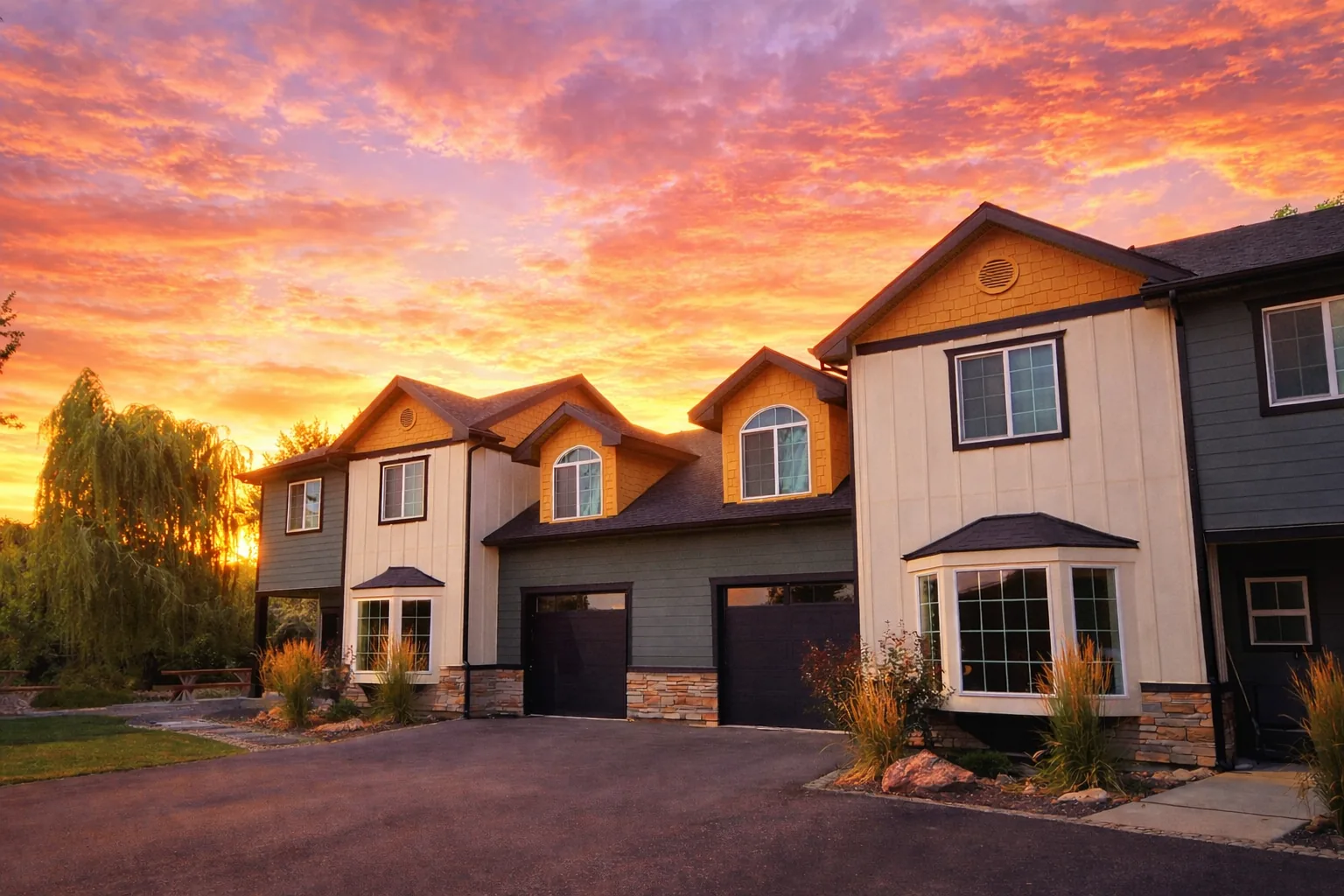
A sober living home is a structured, drug- and alcohol-free residence for adults in early recovery. Residents live alongside peers, follow house rules, submit to random drug testing, and work or attend recovery meetings. Sober living sits between inpatient treatment and fully independent living, giving residents time to rebuild routines, employment, and relationships in a safe environment.
Unlike inpatient rehab, sober living is not a treatment program. Residents are not patients — they're tenants in a peer-supported home that enforces sobriety and accountability. The model traces back to the original Oxford Houses in the 1970s and has since been formalized through the National Association of Recovery Residences (NARR), which sets ethical standards Rising Sun adheres to.
Who is sober living for?
Sober living is most often used by people leaving inpatient treatment, individuals in recovery from incarceration, or anyone whose home environment makes early sobriety harder. The shared accountability of peer housing is the single biggest predictor of staying sober during the first year of recovery.
In Idaho, that includes residents leaving IDOC custody, people stepping down from residential treatment, individuals in court-ordered recovery, and adults whose current housing puts them in proximity to use. Sober living removes the environmental triggers while keeping residents close to employment, court check-ins, and meetings.
What are the rules?
- Total sobriety — no alcohol, illicit drugs, or non-prescribed medications
- Random drug and alcohol testing
- Curfew, chores, and a paid rent contribution
- Active participation in work, school, or recovery meetings
- Respect for housemates and house managers
Rules are non-negotiable because they're what make peer housing work. Every resident agrees to the same standard, and consequences for violations (most commonly a relapse) are consistent across every house.
How long do most people stay?
Research from the Journal of Substance Abuse Treatment and our own resident data show that people who stay six months or longer have dramatically better long-term outcomes than those who leave at 30 or 60 days. Most Rising Sun residents stay six to twelve months.
A landmark study of sober living houses (Polcin et al., 2010) followed residents at 6, 12, and 18 months and found significant improvements in alcohol and drug use, employment, arrests, and psychiatric symptoms — improvements that held up at 18 months for residents who completed at least six months of housing.
What does it cost?
Rising Sun rent is comparable to a private room in a shared apartment in Idaho — affordable enough to work, save, and rebuild. Rent covers the bed, utilities, house management, and structured support.
| Payment period | Rate |
|---|---|
| Weekly | $150 |
| Bi-weekly | $285 |
| Monthly | $550 |
| First month (includes $50 processing) | $600 |
How do I apply?
Apply online or call (208) 898-4668 to speak with our intake team. We respond same-day for applicants ready to move in.